
CPR Made Simple: Why Everyone Should Learn and How Easy It Is to Save a Life at Home or Work
You don't need a medical degree to save someone's life. In fact, one of the most powerful life-saving skills you can learn takes just a few minutes to understand and can be performed by anyone, anywhere. We're talking about CPR – cardiopulmonary resuscitation – and it's way simpler than you might think.
Here's the reality: when someone's heart stops beating, you have minutes to act before irreversible damage occurs. The good news? CPR is designed to be performed by everyday people in everyday situations. Whether you're at home with family, at work with colleagues, or out in your community, knowing CPR transforms you into someone who can step up when it matters most.
Why CPR Knowledge is Critical for Everyone
The Numbers Don't Lie
Every year, approximately 250,000 Americans die from cardiac arrest at home – that's roughly 70% of all cardiac arrests happening in residential settings. Think about that for a moment: the majority of these emergencies occur where you spend most of your time, surrounded by the people you care about most.
At work, around 10,000 cardiac arrests happen annually across American workplaces. On school campuses, sudden cardiac arrest ranks as the leading cause of death, with one in every 25 U.S. high schools expected to experience a cardiac arrest event each year.
Time is Everything
When someone's heart stops, their brain begins suffering damage within just three minutes due to lack of oxygen. After nine minutes without proper blood flow, that damage can become irreversible. Emergency services are incredible, but they can't teleport to your location instantly.
This is where you come in. When CPR is performed immediately by a bystander, it can double or even triple someone's chance of survival. One cardiologist puts it bluntly: they've never seen a cardiac arrest patient walk out of the hospital fully recovered without having received bystander CPR first.
Breaking Down the CPR Myth: It's Easier Than You Think
Forget What You've Seen in Movies
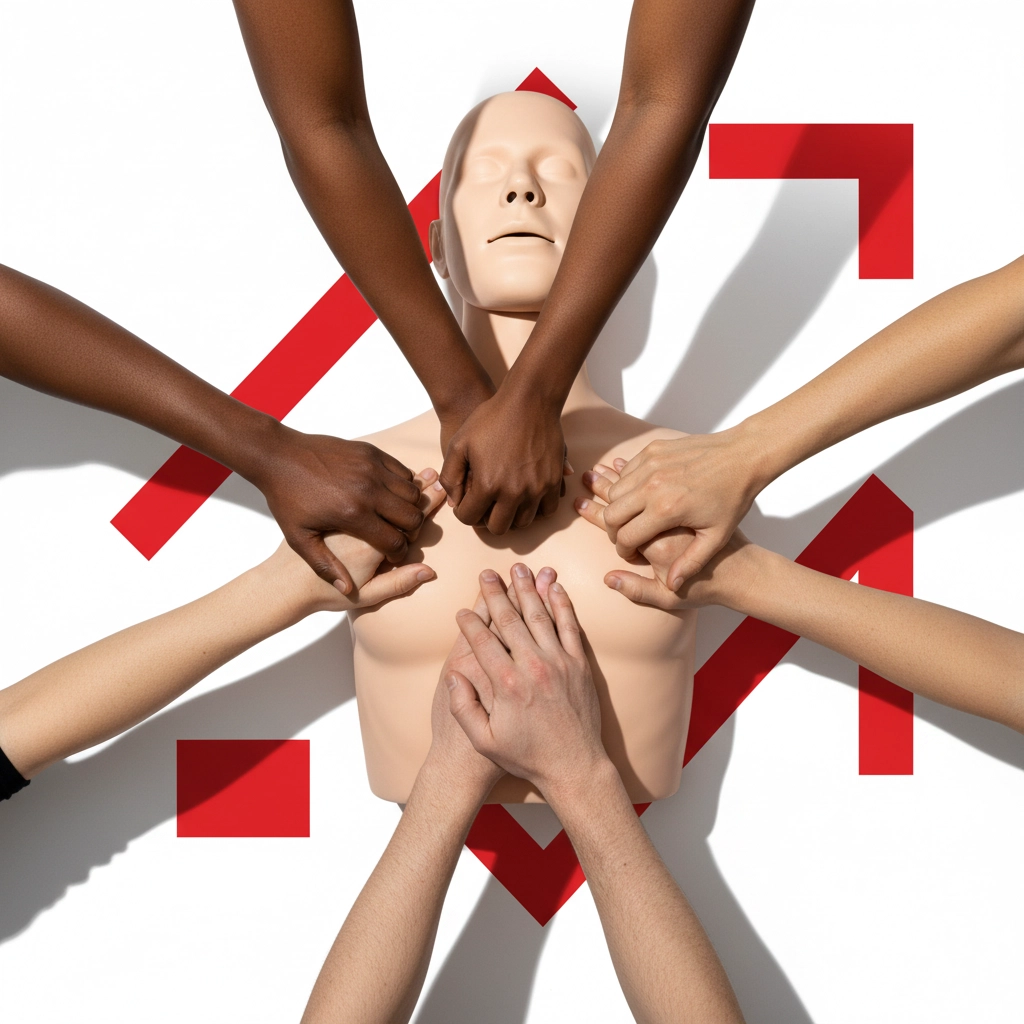
If your only exposure to CPR comes from dramatic TV shows or movies, you might think it requires perfect technique, extensive training, or superhuman strength. The truth is much more encouraging. Modern CPR guidelines have been deliberately simplified so that untrained bystanders can provide effective help.
Most CPR courses focus on straightforward techniques with simple demonstrations that anyone can follow. You don't need to memorize complex medical procedures or worry about doing everything perfectly. The key is taking action when someone needs help.
Hands-Only CPR: Even Simpler
For those who feel intimidated by traditional mouth-to-mouth resuscitation, hands-only CPR offers an even more accessible option. This technique is equally effective and requires just two main actions: calling 911 and performing chest compressions. You don't need to worry about rescue breaths or mouth-to-mouth contact.
The Basic Steps Anyone Can Follow
Traditional CPR: Call, Pump, Blow
The American Heart Association breaks CPR down into three simple steps that are easy to remember:
Hands-Only Alternative
If you're uncomfortable with rescue breaths or haven't been trained in traditional CPR, focus on high-quality chest compressions. Call 911, then push hard and fast in the center of the chest until emergency help arrives. This approach can be just as effective and removes barriers that might prevent people from helping.
Making Your Home Environment Safer
Family Preparedness
Learning CPR essentially turns your home into a safer place for everyone who lives there or visits. Since most cardiac arrests happen at home, having someone trained in CPR nearby dramatically improves outcomes for everyone in your household.
You don't need to become a medical expert – just having the confidence to start chest compressions and call for help can make the difference between life and death. Family members of all ages can learn these skills, creating multiple layers of preparedness in your home.
Common Home Scenarios
Cardiac arrests at home often happen during routine activities. Someone might collapse while cooking dinner, working in the yard, or even sleeping. Having CPR knowledge means you're prepared to respond effectively rather than feeling helpless while waiting for emergency services.
Workplace Benefits of CPR Training
Creating Safer Work Environments
More companies are recognizing the value of CPR-trained employees. When workers have these skills, they help reduce workplace emergencies and can provide immediate assistance when cardiac events occur on the job.
Having CPR-trained staff demonstrates that a company genuinely cares about employee health and well-being. It's an investment in your workforce that can literally save lives and shows employees that their safety matters beyond just workplace injury prevention.
Professional Confidence
CPR training in workplace settings often includes learning to use automated external defibrillators (AEDs), which many offices and facilities now keep on-site. This combination of skills creates a more comprehensive emergency response capability within your organization.
Getting Started with CPR Training
Accessibility and Options
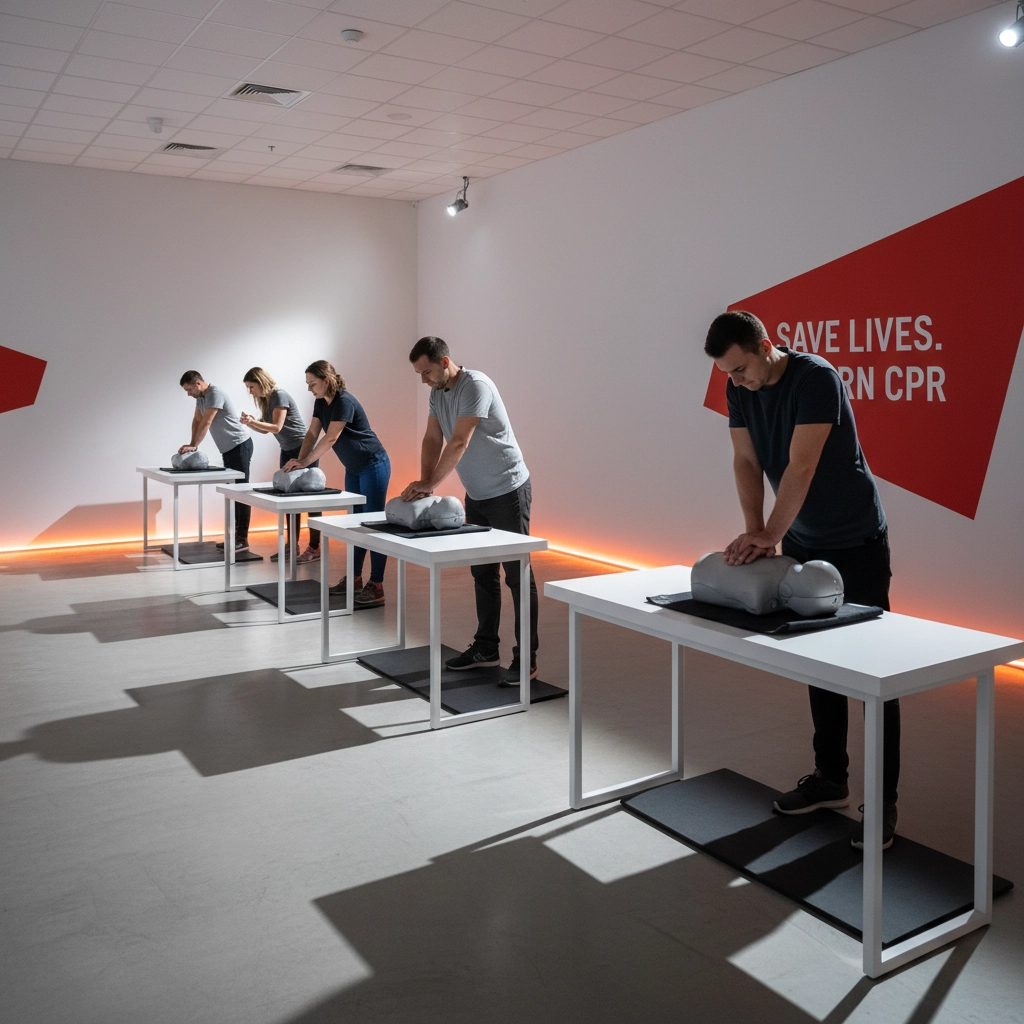
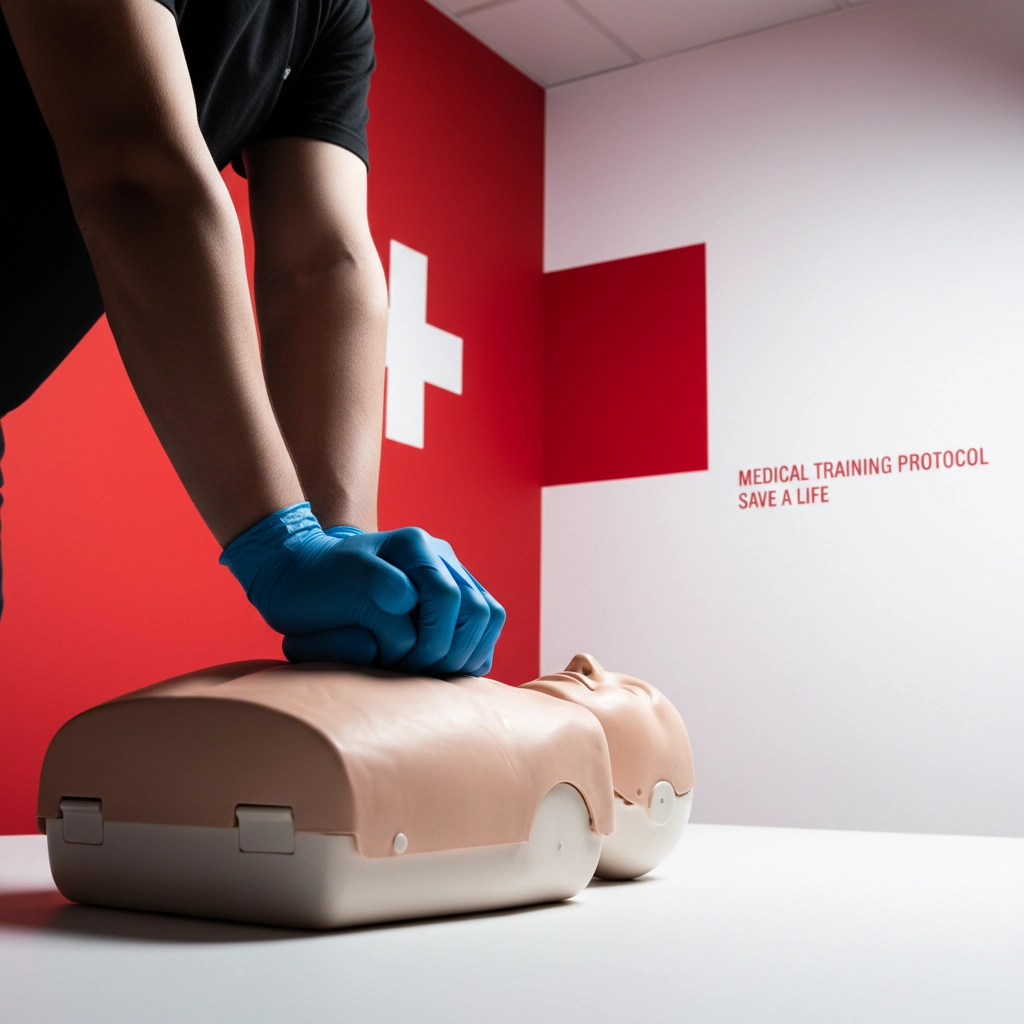
CPR classes are widely available, inexpensive, and designed to fit into busy schedules. Most basic CPR courses can be completed in just a few hours, and many organizations offer flexible scheduling options including evenings and weekends.
For those with extremely limited time, some organizations now provide free online CPR training courses that take just 15 minutes to complete. While hands-on practice is valuable, even basic online training gives you foundational knowledge that could prove crucial in an emergency.
Building Confidence Through Action
The most important aspect of CPR training isn't perfecting every technique – it's building the confidence to act when someone needs help. Training helps you overcome the natural hesitation that many people feel when confronted with a medical emergency.
Even if you're unsure about some details during an actual emergency, having basic CPR knowledge gives you the confidence to start helping rather than standing frozen while precious minutes pass. Emergency dispatchers can also provide guidance over the phone, walking you through steps as you perform them.
The Ripple Effect of CPR Knowledge
Community Impact
When more people in a community know CPR, everyone benefits. Each trained individual represents a potential lifeline for cardiac arrest victims. The more widespread this knowledge becomes, the more likely it is that someone nearby will be able to help during an emergency.
Schools are recognizing this impact, with many states now requiring CPR training for students before high school graduation. This ensures that young people enter adulthood equipped with life-saving skills they can use to help family, friends, and community members.
Personal Empowerment
Learning CPR transforms you from someone who can only call for help to someone who can actively provide help. This shift in capability brings peace of mind, knowing that you're prepared to respond effectively if someone near you experiences a cardiac emergency.
The skills you learn extend beyond cardiac arrest situations too. CPR training typically includes basic first aid knowledge that can be useful in various emergency situations, making you more prepared overall.
Your decision to learn CPR might seem small, but it could be the most important skill you ever acquire. With cardiac arrests happening frequently in homes and workplaces, having this knowledge puts you in a position to potentially save the life of someone you care about. The techniques are straightforward, training is accessible, and the confidence you'll gain is invaluable.
Ready to take the next step? Book your CPR training with us and join the community of everyday heroes who are prepared to act when lives are on the line.
Comments